Recording
Read it the way you read it
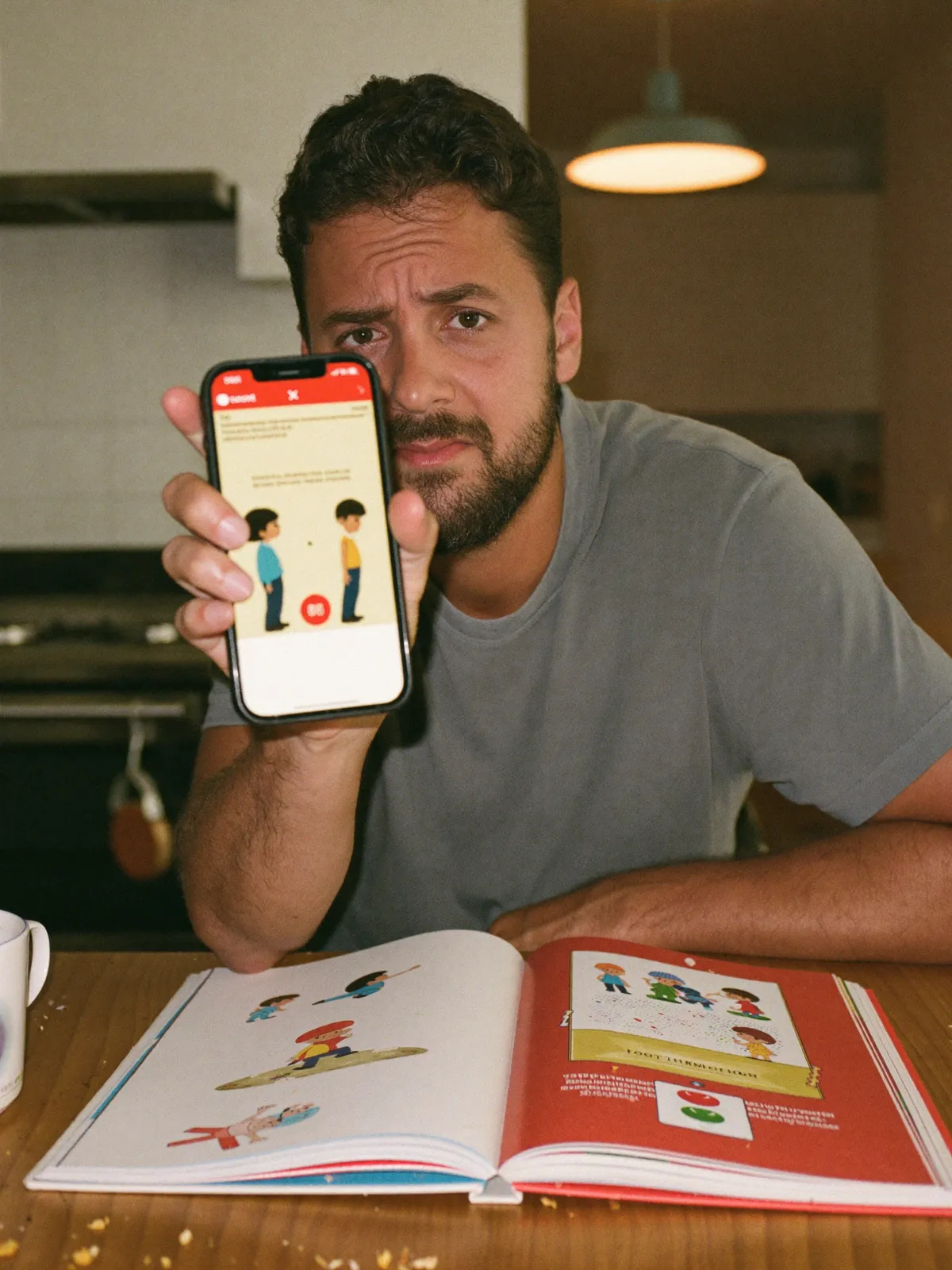
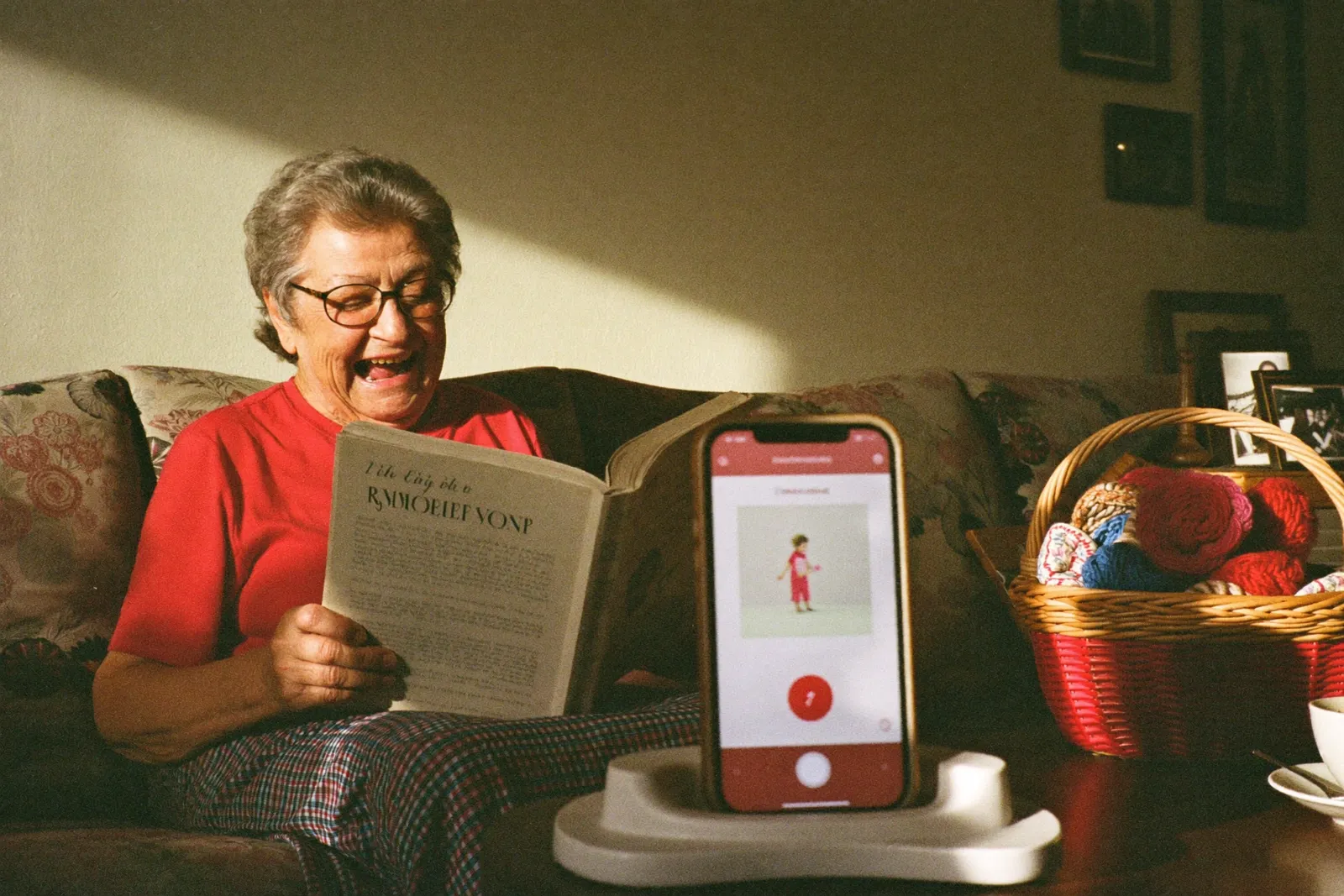
Open the book on your phone, press record, and read one page at a time. Keep the takes you love. Do the others again. Nobody hears a thing until you say so.
How it works
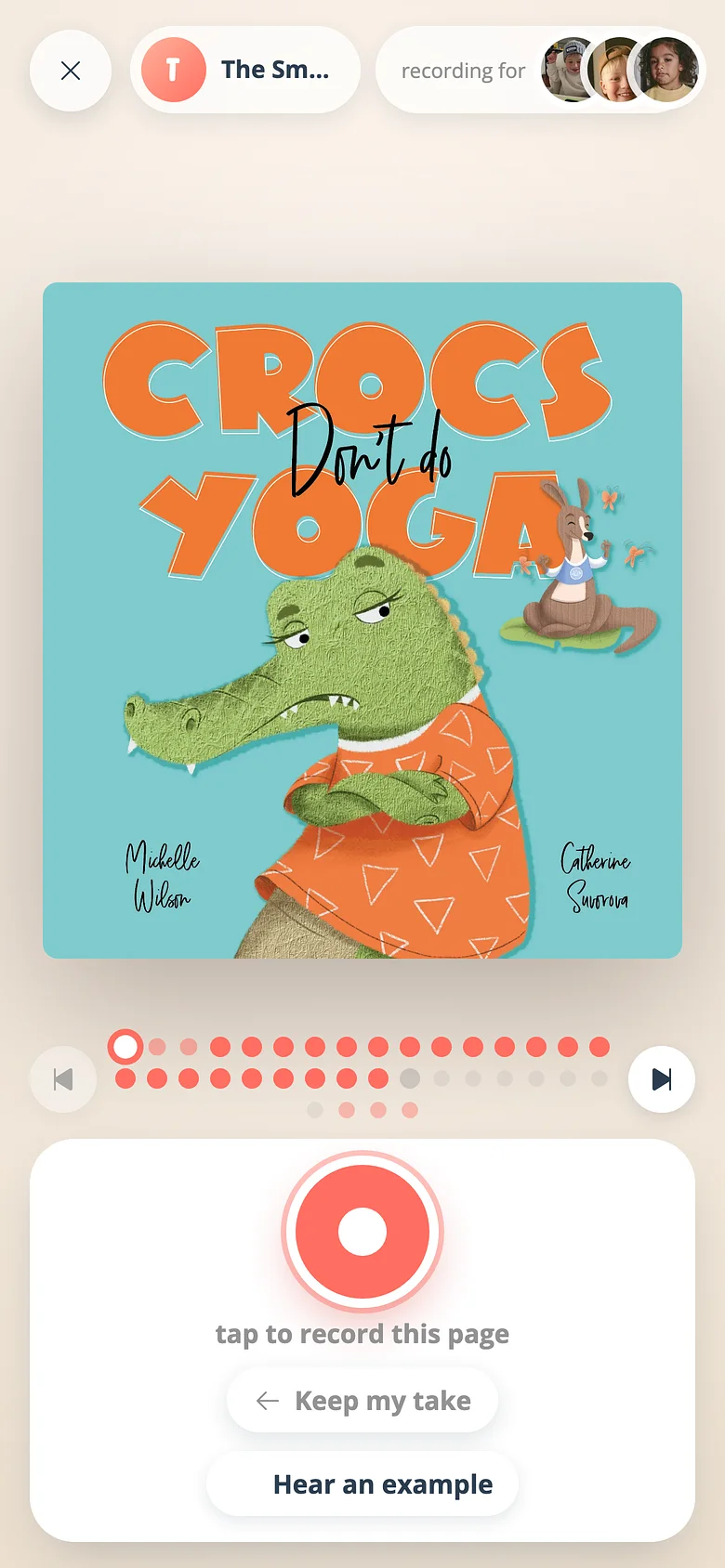
A page, a take, a decision
The studio is built around one idea — you should never have to get a whole book right in one go.
-
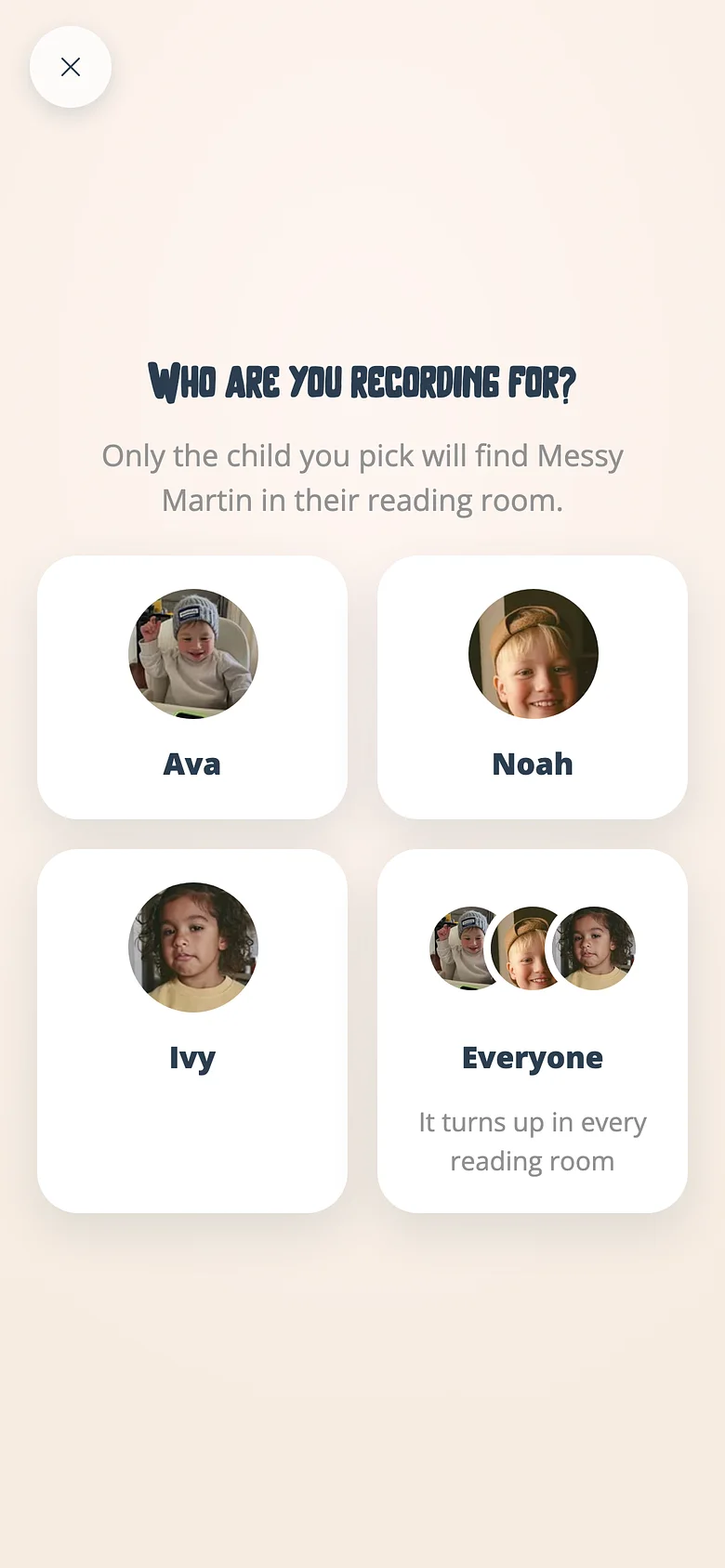
Pick who it's for
Before the first page, the studio asks who you're reading to. Say her name. Mention the dog. Do the voice she likes. A recording for Maya is a different thing from a recording for the house. -
Three, two, one
The microphone is asked for before the countdown, never during it, so the first word of every page lands. Then it counts you in and you read the page in front of you. -
Hear it back
Stopping plays the take straight back. Turn the page if you like, come back later, it's still there asking. Nothing is kept until you say Keep & next. -
Publish when you're happy
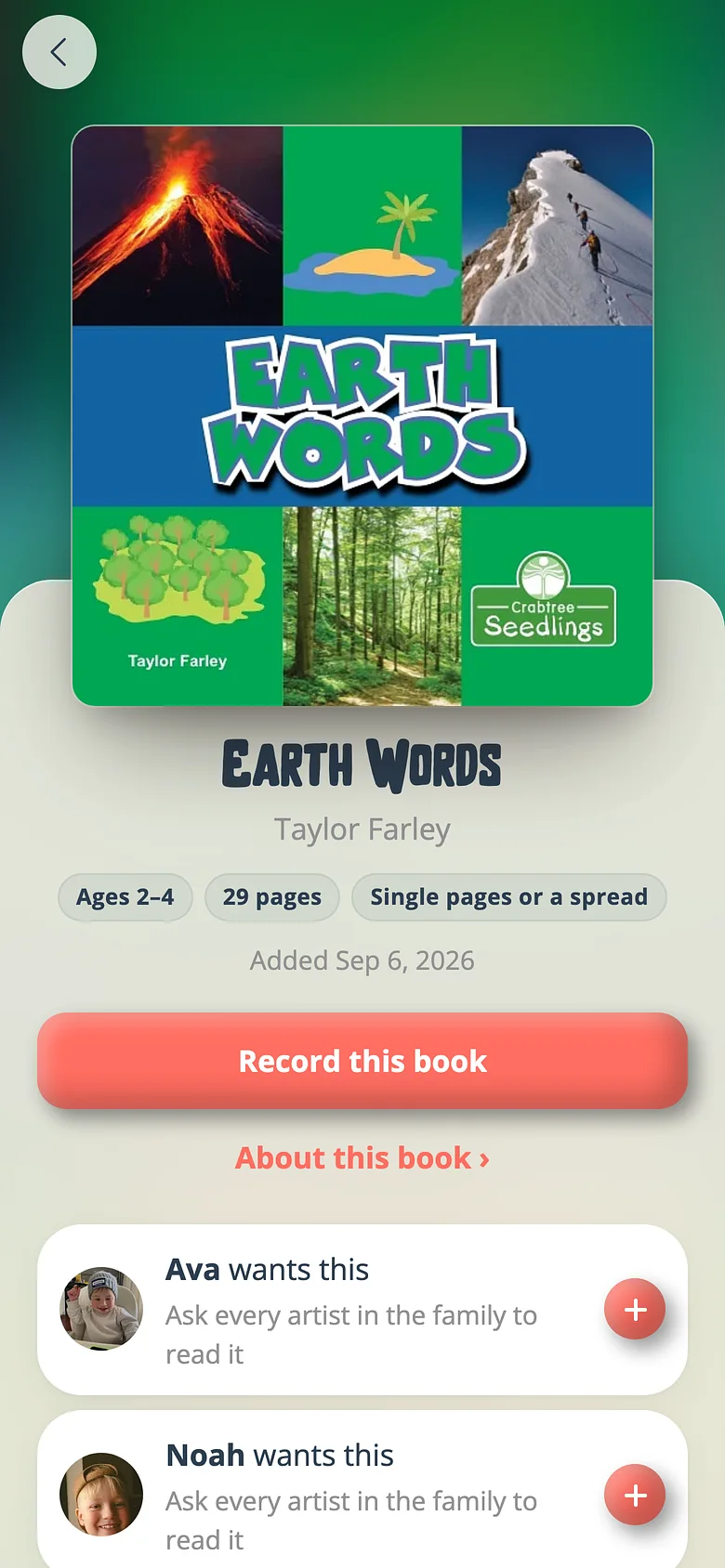
A book is finished when every page has a kept take. Publish it and it lands on the shelf that night — and the person you read it to gets told it's there.
Built for real bedtimes
Small things that matter at 9pm in a hotel
Retake any page, any time
Fluffed the last line? Record that one page again. Every other page stays exactly as you kept it.
Open-faced books, one take a spread
A picture book that reads across the fold is recorded across the fold — one take covers both pages, the way you'd read it.
Hear an example first
Not sure how to read the page? Hear how someone in your family read it, or how another family did — one tap, then it's your turn.
Voice Care
Hotel air-conditioning, a truck idling outside. A gentle clean-up runs on every kept take, and the original is always there if you'd rather.
Learn moreA little music under it
Choose a bed of music for a recording, or for a whole playlist, ducked under your voice so the words always win.
Learn morePrivate until you publish
A draft is yours alone. Nobody in the family — nobody anywhere — hears a page until the book is published.
Personal, on purpose
Two kids, two recordings, two different bedtimes
The most-missed feature in Voicebooks is the question at the start: who is this for? Families record the same book twice and never notice the second one could be different.
Say the name. Mention the thing that happened at school. Add "and that's why we don't feed the dog crayons". A recording for one child is a letter; a recording for everyone is a library book.
Go deeper
How-to
Record your first book
The whole thing is a book, a page and a red button. Here's the walk from an empty shelf to a published recording.
How-to
Record a book for a specific child
Every recording starts with one question. Most people miss it. Here's what it changes.
Feature
Record it for them
Say her name. That's the whole trick.
Read one page tonight
Three books on the shelf, free, forever. No card. No clock.